Why Preventive Septic Services Are Better Than Emergency Repairs
A septic system rarely demands attention at a convenient moment. It does not wait for a slow week at work, a stretch of dry weather, or a time when the household budget has room for surprise expenses. It usually fails on a holiday weekend, during a family gathering, or after days of rain when the ground is already saturated and access is harder. That timing alone explains why preventive septic services are almost always the better investment.
Homeowners often think about septic care only when something smells wrong, drains back up, or a wet patch starts spreading across the yard. By then, the problem has moved beyond maintenance and into disruption. The difference between prevention and emergency response is not just cost, though cost is a major factor. It is also about protecting the drain field, preserving the life of the tank and components, avoiding health risks, and keeping the household functioning normally.
Anyone who has dealt with a sewage backup in a bathroom or laundry room understands this immediately. The problem is never limited to the plumbing fixture where it first appears. It reaches into flooring, drywall, personal belongings, landscaping, schedules, and stress levels. A planned service visit is a simple line item on the calendar. An emergency repair can take over the week.
The hidden nature of septic problems
Part of what makes septic systems tricky is that most of the working parts are underground and out of sight. People can see when a roof needs shingles or when a water heater starts leaking, but septic trouble often builds quietly. Solids accumulate slowly in the tank. Effluent filters clog over time. Baffles can deteriorate. Drain fields can begin to receive more water than they should because of leaks in the house, seasonal overuse, or poor drainage around the property.
Because the warning signs are subtle at first, many owners mistake them for ordinary plumbing quirks. A toilet that gurgles now and then. A shower that drains slower than it used to. A patch of lawn that stays greener than the rest. None of these always means the septic system is in immediate danger, but each can be an early signal that something needs attention.
Preventive septic services work precisely because they address issues at this early stage. A technician can inspect tank levels, evaluate scum and sludge accumulation, check the condition of inlet and outlet baffles, verify whether the effluent filter needs cleaning, and flag patterns that point to future problems. Catching these issues before the system fails is where the real value lies.
Why emergencies cost more than people expect
Most homeowners assume an emergency repair is simply a more expensive version of routine service. In practice, it is usually much more than that. Emergency calls involve urgency, difficult access, potential cleanup, diagnostic uncertainty, and sometimes collateral damage inside the home or across the property.
If a tank has not been pumped on schedule and solids move into the drain field, the repair is no longer just a pump-out. The field may become compromised. https://rafaelmkdr459.brightsora.com/posts/how-professional-septic-services-protect-your-property-value Restoring function can require jetting lines, replacing damaged components, or, in severe cases, rebuilding sections of the system. The difference between a few hundred dollars in scheduled maintenance and several thousand in emergency work is not unusual.
The indirect costs are easy to underestimate as well. If wastewater backs up into the home, cleanup becomes a sanitation issue, not a basic housekeeping task. Flooring materials may need removal. Drywall can absorb moisture and contamination. Furnishings stored in a basement or lower level may be lost. If the house has only one or two bathrooms, normal daily life becomes difficult fast.
There is also the premium that comes with urgency. A standard service appointment gives both homeowner and provider the advantage of planning. Emergency repairs often happen after hours, in bad weather, or when contractors are already booked. That means more waiting, fewer options, and often a higher final bill.
Routine care protects the most expensive part of the system
The septic tank gets most of the attention because it is the part people hear about, especially in connection with pumping. But the drain field is often the most vulnerable and expensive element to replace. Once a drain field fails, the repair can be invasive, costly, and sometimes complicated by lot size, soil conditions, local regulations, or limited room for a replacement area.
A healthy tank acts as a first stage of treatment and separation. Solids settle to the bottom, oils and lighter material float to the top, and relatively clarified effluent exits to the drain field. When the tank is not maintained, excess solids can leave the tank and enter the field lines. That is where a manageable maintenance issue turns into a much more serious problem.
Preventive septic services reduce that risk. Timely pumping keeps the tank from overfilling with solids. Filter cleaning helps maintain flow. Periodic inspections can reveal whether household water use patterns are stressing the system. Even something as simple as spotting a leaking toilet can matter. A toilet that runs constantly can send hundreds of extra gallons a day into the system. That kind of hidden overload shortens the life of a drain field much faster than many people realize.
I have seen homes where the owners believed they were being careful because they never flushed wipes or grease, yet they still had recurring issues. The culprit turned out to be a softener discharge setup and a plumbing leak that kept the system saturated. Preventive attention found what good intentions alone could not.
Maintenance is cheaper partly because it is calmer
The economics of septic care are not just about parts and labor. They are also about decision quality. When owners schedule service before anything is wrong, they can ask questions, compare recommendations, and make repairs on sensible timelines. When sewage is backing up, judgment narrows. People want the fastest path to relief, and that is understandable. But urgency tends to produce rushed approvals and fewer chances to weigh alternatives.
A technician who inspects a system during normal operation can explain what is necessary now, what can likely wait, and what signs should trigger another call. That kind of measured advice is harder to give during a crisis, especially when the immediate goal is simply to stop a backup or restore drainage.
Planned service also makes recordkeeping easier. Knowing when the tank was last pumped, what condition the baffles were in, whether a filter was cleaned, and whether any cracks or root intrusion were observed gives the next technician a useful history. Emergency situations often begin with uncertainty. No one remembers the last pump date. No one knows tank size. No one is sure where the access lids are. Every unknown adds time and cost.
Septic emergencies often start with ordinary neglect
Most catastrophic septic failures do not begin as catastrophic failures. They start with small acts of postponement. A homeowner notices an odor near the tank after heavy rain and decides to watch it for a while. The kitchen sink starts draining slowly, but drain cleaner seems easier than a service call. The yard feels damp near the field lines, but mowing still covers the evidence.
Delay is common because septic systems do not offer instant feedback until they are close to their limit. A furnace that quits in winter forces action the same day. A septic system often deteriorates in stages, which creates false confidence. If the shower drained eventually yesterday, people assume it will do the same tomorrow.
This is why preventive septic services are so valuable. They interrupt that cycle of rationalization. Instead of waiting for proof of failure, owners work from a schedule and a baseline. The tank gets inspected because it is due, not because there is already sewage in the bathtub.
What preventive service actually includes
A lot of homeowners hear the word preventive and imagine vague recommendations that do not lead to anything tangible. Good septic maintenance is much more concrete than that. The exact scope depends on the system type, age, household size, usage patterns, and local requirements, but regular care usually addresses the fundamentals that matter most.
- pumping the tank at intervals appropriate for the household and tank size
- inspecting inlet and outlet baffles for damage or deterioration
- cleaning the effluent filter if the system has one
- checking for signs of leaks, root intrusion, or abnormal liquid levels
- reviewing water use habits that may be overloading the system
That is not busywork. Each of those items targets a known failure point. For example, an effluent filter is a small component with an outsized role. If it clogs, wastewater flow can back up into the house. If it is removed and never cleaned or replaced properly, more solids can reach the drain field. A simple maintenance task can either prevent a problem or create one if ignored.
The health and sanitation side matters more than people think
Septic failures are not merely inconvenient plumbing events. They involve wastewater, bacteria, and potential contamination. If sewage surfaces in the yard, children and pets can come into contact with it. If backups occur indoors, every affected material has to be assessed from a sanitation perspective. A mop and a fan are not enough for every situation.
There is also the broader environmental concern. A failing system can introduce untreated or poorly treated wastewater into surrounding soil and nearby water sources. The severity depends on the nature of the failure, soil characteristics, and site conditions, but the risk is real. Preventive septic services help reduce the chance of untreated effluent surfacing or moving where it should not.
This is one reason local codes and health departments often take septic maintenance seriously. The system serves one property, but its failure can extend beyond property lines. Routine care is not only about protecting an asset. It is also about reducing the odds of a public health issue.
Weather and timing make emergency repairs harder
A surprising number of septic emergencies happen during the least favorable site conditions. Heavy rains saturate the soil and expose existing weaknesses. Holiday gatherings increase water use. Frozen ground slows access and excavation in colder regions. Spring thaw can reveal failures that developed over winter.
Scheduled service lets owners avoid those bad combinations. A pump-out in dry conditions is straightforward compared with a repair call after several days of rain. Access lids are easier to uncover when the ground is stable and contractors are not trying to protect equipment from sinking into a wet yard. If a problem is found during maintenance, there is often more flexibility in how and when it is repaired.
That flexibility matters because septic work is heavily shaped by site realities. Soil type, slope, groundwater conditions, landscaping, and available room all affect the difficulty of repair. Preventive care gives more room to plan around those realities. Emergencies strip away that advantage.
Not every system needs the same schedule
A responsible discussion of maintenance has to acknowledge that there is no single pump interval that fits every home. A small household with a large tank may go longer between pump-outs than a crowded home with frequent laundry use and guests. Garbage disposals can increase solids. Older tanks may need closer observation. Homes with intermittent occupancy, such as vacation properties, have their own patterns.
That does not weaken the case for preventive septic services. It strengthens it. The right schedule should come from actual system conditions and usage, not generic advice copied from a flyer. Good providers look at tank size, occupancy, maintenance history, and visible wear. They do not just recite a number and leave.
For many homes, a pump interval somewhere in the range of three to five years is common, but common is not the same as universal. Some systems need attention sooner. Others can safely go longer under the right conditions. The point of maintenance is not to overservice a healthy system. It is to service it before neglect causes damage.
Emergency repairs tend to uncover other deferred problems
Another practical reason preventive care wins is that emergencies rarely arrive alone. A tank that is overdue for pumping may also have a damaged baffle. A clogged filter may be paired with a leaking toilet. A soggy drain field may coincide with roof runoff being directed toward the wrong area of the yard. Once a failure forces investigation, technicians often find a stack of smaller issues that have been quietly compounding each other.
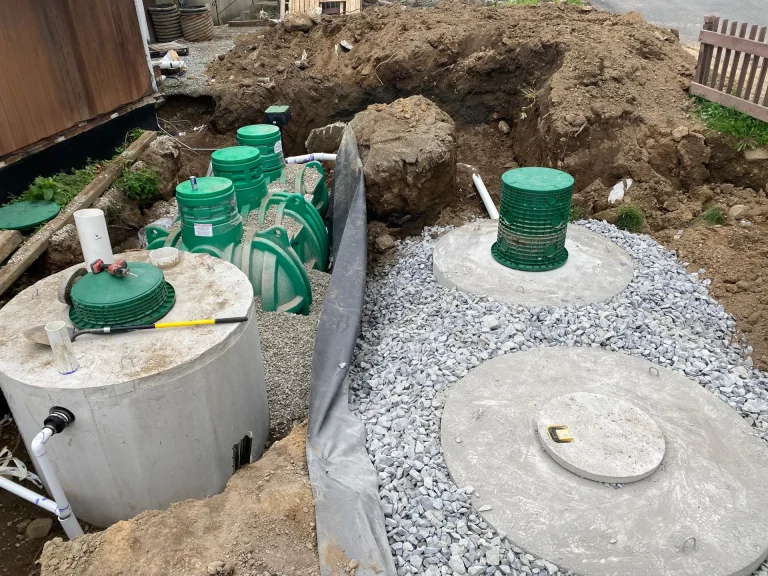
That layering effect is one reason repair bills can escalate so quickly. The visible symptom might be one clogged line, but the underlying cause can involve years of deferred maintenance and poor site drainage. By contrast, routine service breaks the chain earlier. Small defects get corrected before they interact with each other.
I have seen homeowners react with disbelief when a backup turns into multiple recommendations. They assumed they were facing one problem. What they were really seeing was the final stage of several ignored ones. Preventive service would not have guaranteed a perfect outcome forever, but it almost certainly would have made the final problem smaller and cheaper.
The best maintenance plans are practical, not obsessive
There is a tendency in home maintenance to swing between neglect and overreaction. Septic care does not need either. A sensible plan is usually enough. Know where the tank and field are located. Keep records. Have the system inspected and pumped as recommended for its actual use. Watch for changes in drainage, odors, or wet areas. Avoid sending things into the system that do not belong there.
For households that want a simple framework, the priorities are straightforward:
- keep solids from building up beyond safe levels
- protect the drain field from excess water and solids
- respond early to small changes in system behavior
- work from a service record rather than memory alone
Those habits are modest, but they do most of the heavy lifting. Preventive septic services are effective not because they are dramatic, but because they are disciplined.
Choosing service before crisis is a property decision, not just a plumbing decision
People often think of septic maintenance as a narrow utility task, something in the same category as clearing a drain. It is broader than that. A failing septic system can affect property value, buyer confidence, insurance conversations, landscaping plans, and renovation timelines. If you are adding bedrooms, finishing a basement, or increasing occupancy, the system's condition becomes even more important.
A well-documented maintenance history sends a strong signal that the property has been cared for responsibly. A history of backups and emergency calls sends a very different signal. That distinction matters during resale, but it also matters while you still live there. The home functions better, the risk is lower, and the expensive buried infrastructure lasts longer when it is not treated as invisible.
This is especially important for newer owners who inherited a septic system with little documentation. In those cases, preventive septic services are the fastest way to establish a baseline. The first inspection and pump-out may reveal that the system is in good shape, which brings peace of mind. Or it may uncover early issues that can still be handled on a planned basis. Either outcome is far better than discovering the truth during a backup.
The real advantage is not just savings, it is control
Saving money is the easiest argument for preventive maintenance, and it is usually a strong one. But the deeper advantage is control. Preventive care lets homeowners decide when service happens, who does it, and how to budget for it. Emergency repairs hand those decisions over to circumstance.
When a septic system is maintained properly, there is less guesswork, less damage, and far less chaos. The tank does what it is supposed to do. The drain field is protected. Small issues stay small. Service visits feel routine because they are routine.
That is the outcome most property owners want, even if they do not think about it until something goes wrong. Septic systems reward steady attention. They punish delay. And among the many home maintenance expenses competing for time and money, few offer a clearer return than preventive septic services handled before the phone call becomes urgent.
Excavating New Jersey LLC
Address: 406 County Rd 565, Wantage, NJ 07461
Phone number: +19737914284
FAQ About Septic Services
What is the average cost to get a septic tank emptied?
Emptying a septic tank costs between $290 and $560 on average, with most homeowners paying about $420. Prices vary based on tank size.
What is septic service?
Septic service inspects, pumps, cleans, and maintains a septic tank. A septic tank is a large, underground container that collects and treats wastewater from your home. Over time, sludge, scum, and other debris, like hair and solids, can build up in your tank and clog your drain field.
How often should you have a septic tank serviced?
A standard septic tank should be inspected every 1 to 3 years and pumped every 3 to 5 years. However, the exact schedule depends on your tank's capacity, household size, and daily water usage.